
Why Do Insurance Companies Ask So Many Questions?

If you've ever requested an insurance quote, you may have been surprised by just how many questions come with it.
When was your roof replaced? What type of heating system do you have? Who lives in your household? How far do you drive to work? What does your business do? Do you have a dog? A pool? A wood stove?
Sometimes it can feel like one question leads to five more.
But insurance companies aren't asking just for the sake of asking. The information you provide helps them understand what they're being asked to insure, determine whether it meets their underwriting guidelines, and calculate an appropriate rate.
Here's why all those questions matter.
Insurance Is Based on Risk
At its core, insurance is about evaluating risk.
Before an insurance company agrees to provide coverage, it needs to understand the likelihood and potential cost of a loss. Since every home, vehicle, business, and person is different, insurers use questions to learn more about the specific risk they're considering.
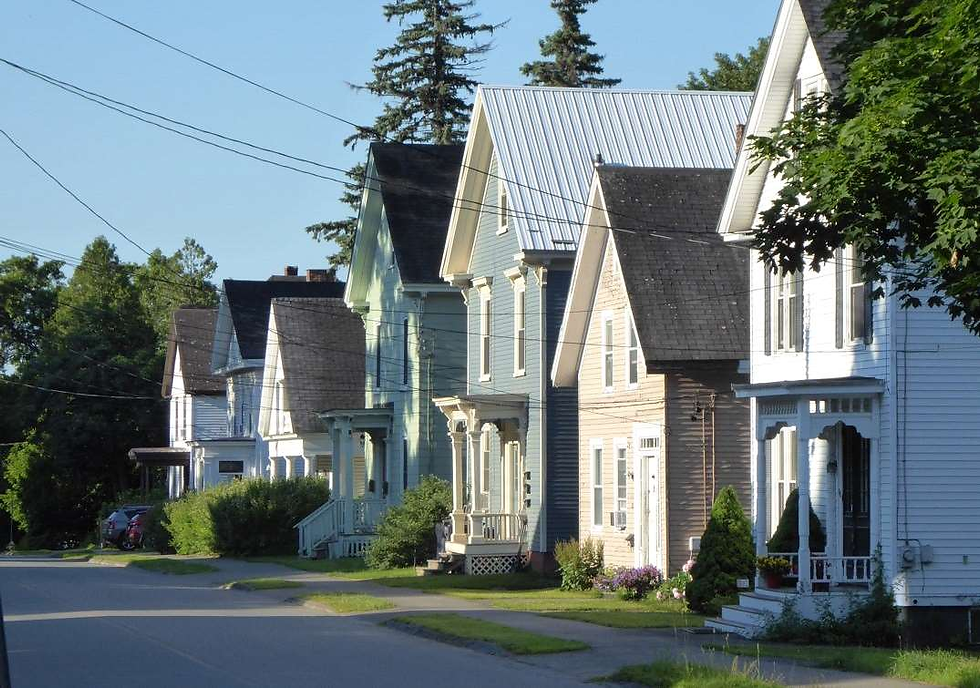
For example, two homes located on the same street may look similar from the outside but have very different characteristics.
One may have a newer roof, updated electrical system, and central heating. The other may have an older roof, a wood stove, and older wiring.
Those differences can matter to an insurance company, even if the homes have similar market values.
Your Answers Can Help Determine Eligibility

Not every insurance company will insure every type of risk.
Each carrier has its own underwriting guidelines that determine what it is willing to insure.
The questions your agent asks help determine which insurance companies may be a good fit for your situation.
For homeowners insurance, a carrier may want to know about things such as:
The age and condition of the roof
Heating systems
Electrical and plumbing updates
Swimming pools or trampolines
Wood or pellet stoves
Animals on the property
Prior claims
How the home is occupied
For auto insurance, questions may involve:
Household drivers
Vehicles
How the vehicles are used
Annual mileage
Driving history
Where vehicles are kept
And for a business, the questions can become even more specific because two businesses within the same industry may have very different operations.
The answers help your agent determine where your insurance may fit rather than submitting incomplete information and finding out later that a carrier cannot insure it.
The Details Can Affect Your Price

Many of the questions you're asked can also play a role in determining your premium.
Insurance companies use a variety of rating factors, and those factors vary depending on the type of insurance and the carrier.
For example, the characteristics of your home can affect homeowners insurance pricing.
Your vehicles, drivers, usage, and other factors can affect auto insurance. A business's operations, payroll, sales, property, and other exposures can affect commercial insurance.
This is one reason comparing insurance based on price alone can be difficult.
Two quotes that look similar at first glance may have been based on different information, limits, deductibles, or coverage options.
Accurate information helps make sure you're comparing quotes based on the actual risk.
Sometimes One Answer Leads to More Questions

You answer one question, and suddenly your agent has three more.
There is usually a reason for that too.
For example, if you tell your agent that you have a wood stove, the insurance company may need to know whether it was professionally installed, how it is vented, or how often the chimney is cleaned.
If you tell your agent that you operate a business from home, additional questions may be needed about what type of work you perform, whether customers visit the property, or whether you keep business equipment there.
The first answer gives the insurance company information about an exposure. The follow-up questions help it understand that exposure more clearly.
Why Are Business Insurance Questions So Specific?

If you've ever applied for commercial insurance, you already know the questions can get very detailed.
An insurance company may ask about:
What services you provide
Where you perform your work
Annual sales or payroll
Number of employees
Equipment
Subcontractors
Prior experience
Safety procedures
Contracts
Previous losses
These questions matter because businesses that sound similar can actually have very different exposures.
For example, two contractors may both describe themselves as general contractors, but one may primarily perform small interior renovations while another works on large structural projects.
The type of work being performed can significantly change the insurance exposure.
The more accurately your agent understands your operations, the better they can present your business to an insurance company and identify coverage that fits what you actually do.
Why Do They Ask Questions They've Asked Before?

This can be especially frustrating at renewal.
If you've been insured for years, you might wonder why your insurance company needs information it already has.
The answer is that things change.
Your roof gets older. You purchase different vehicles. Drivers move in or out. Your commute changes. You renovate your home. Your business grows, adds employees, purchases equipment, or begins offering new services.
Insurance company guidelines can also change over time.
Updating information helps make sure the policy continues to reflect your current situation rather than information from several years ago.
Why Is It Important to Answer Accurately?

It can be tempting to estimate an answer or leave out something that doesn't seem important, especially when you're trying to get through a long list of questions.
But accuracy matters.
The information provided during the application and underwriting process is used by the insurance company to decide whether to offer coverage and under what terms.
Incorrect or incomplete information can create problems later, particularly if the missing information is relevant to a claim or to the carrier's decision to insure the risk.
If you don't know an answer, that's okay. Tell your agent you're unsure rather than guessing. They can help determine what information is needed and where you may be able to find it.


Comments